
Advantage
Less Waste
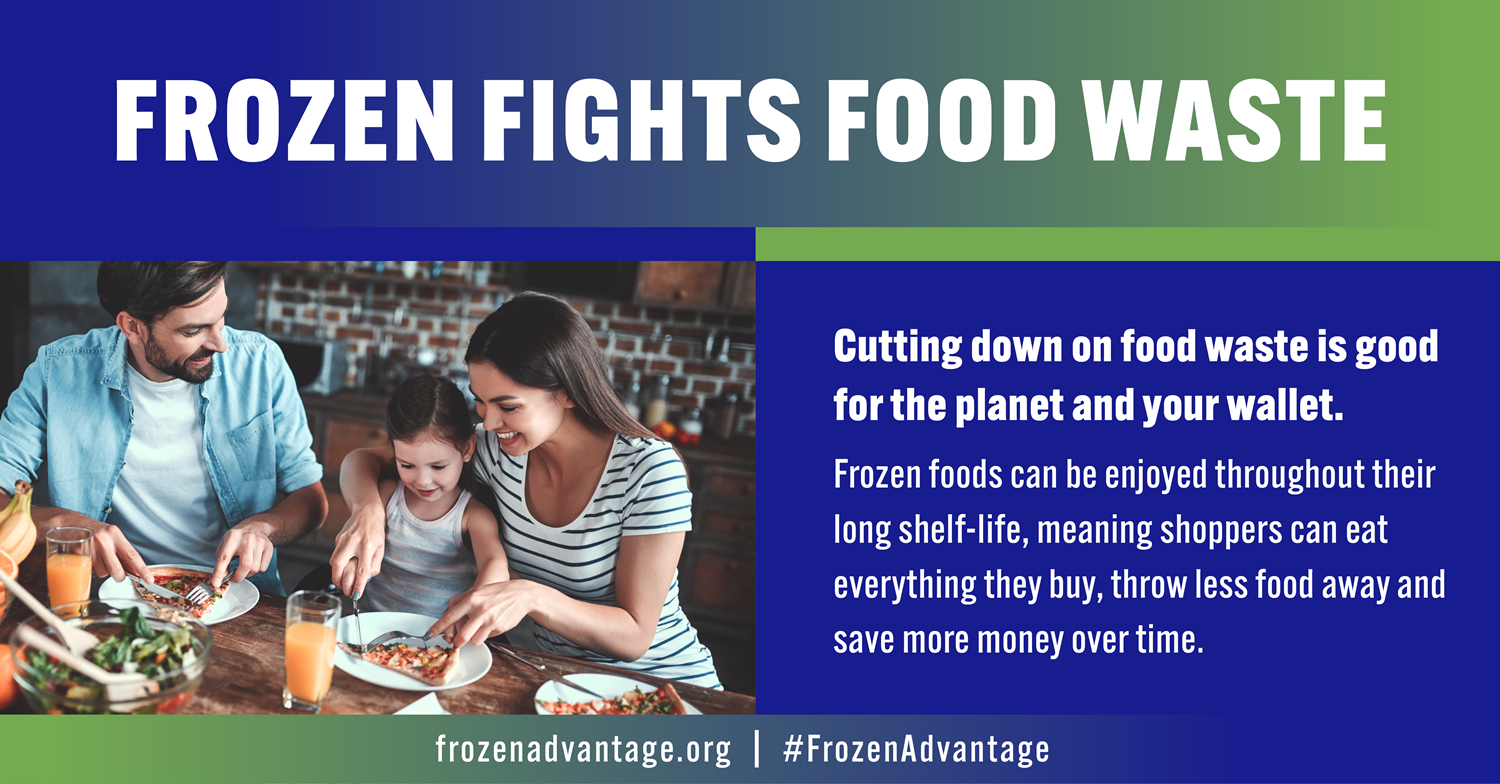
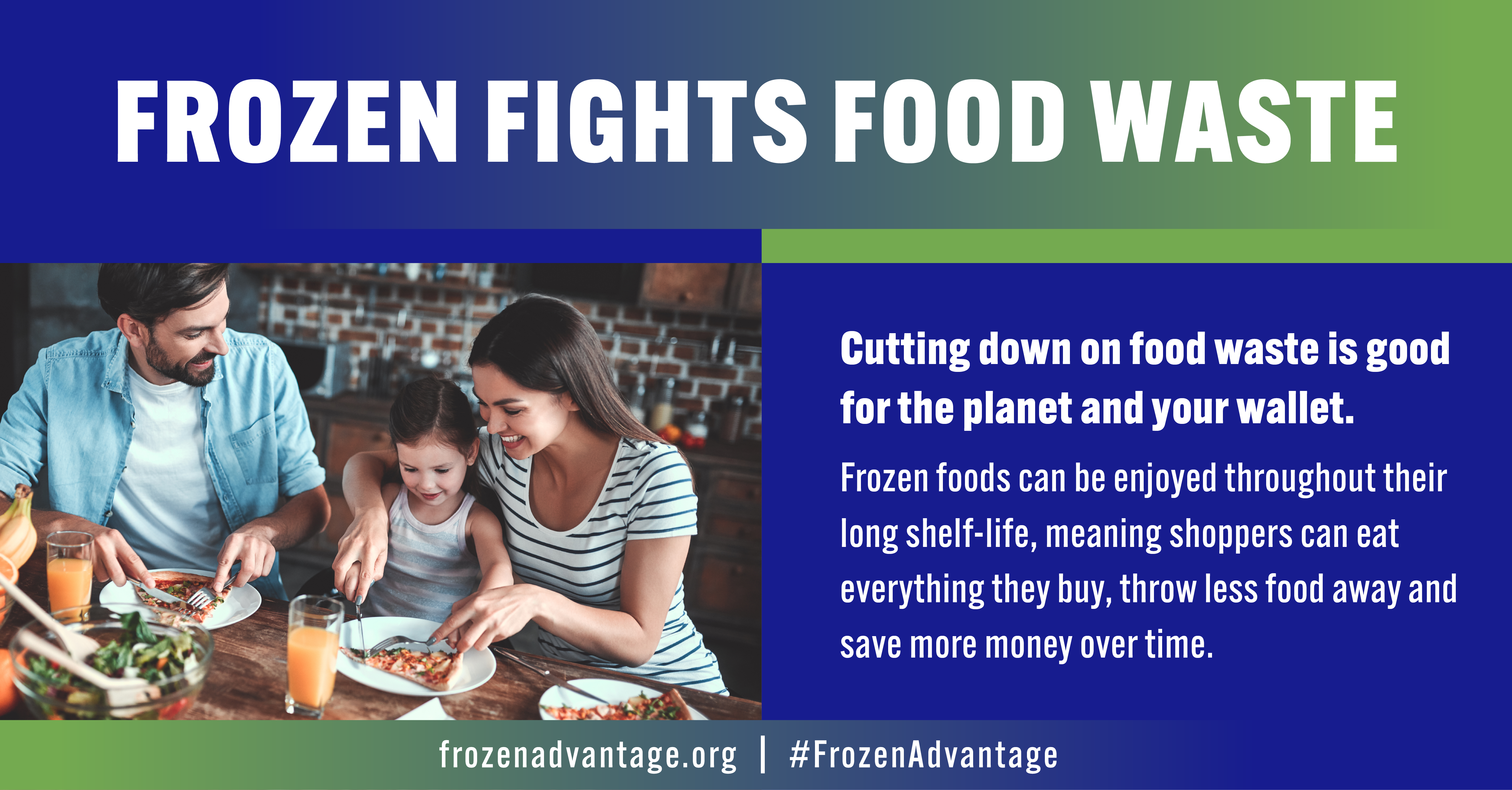
Food waste reached a value of $325 billion in 2024. That’s 60 million tons of food wasted each year, costing families $3,000. Food waste doesn’t just have a financial cost, it also means additional landfill use and greenhouse gas (GHG) emissions that impact the environment. Food waste is responsible for 58% of fugitive methane gas emissions among solid material landfills. Despite this waste, 33.8 million Americans still live in food-insecure households.
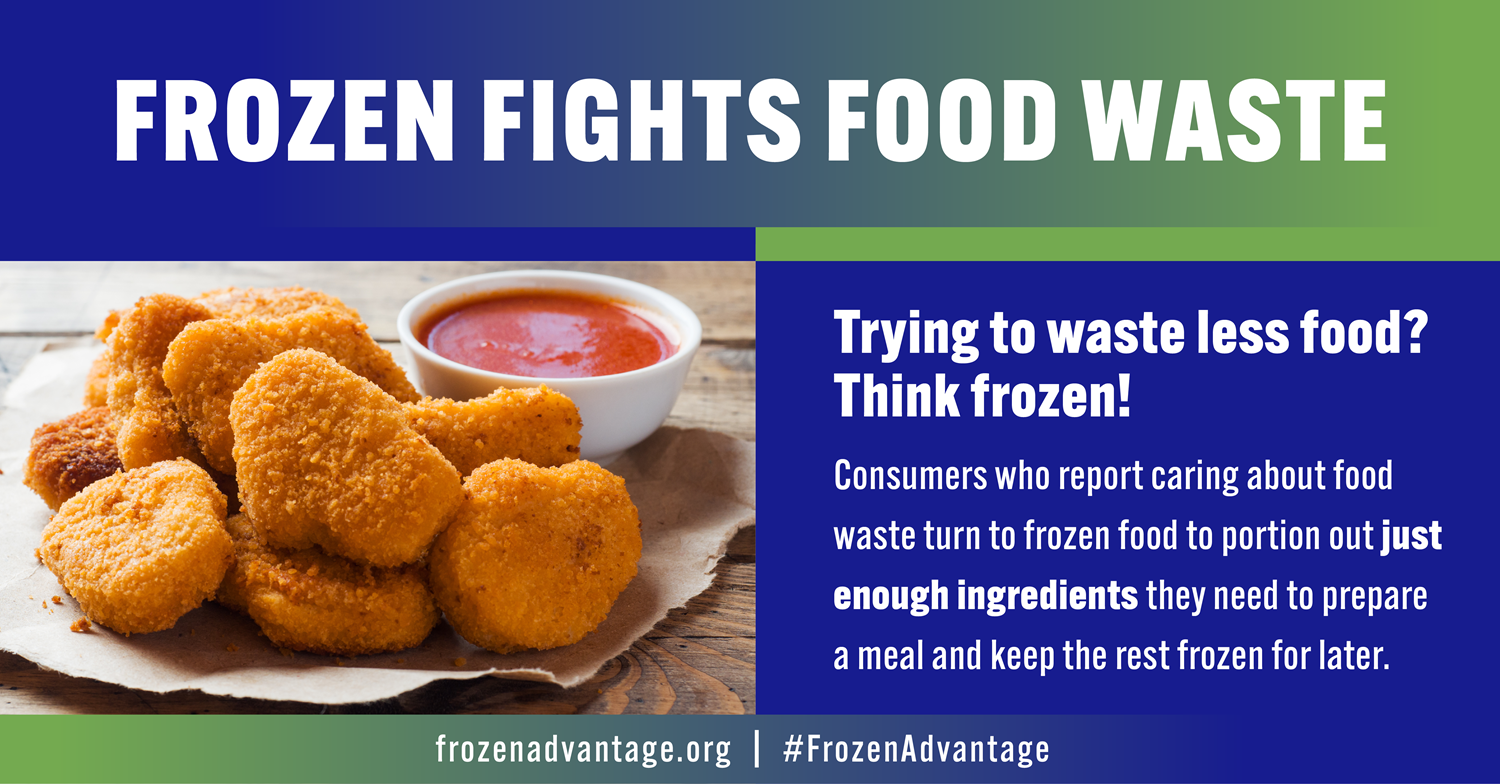
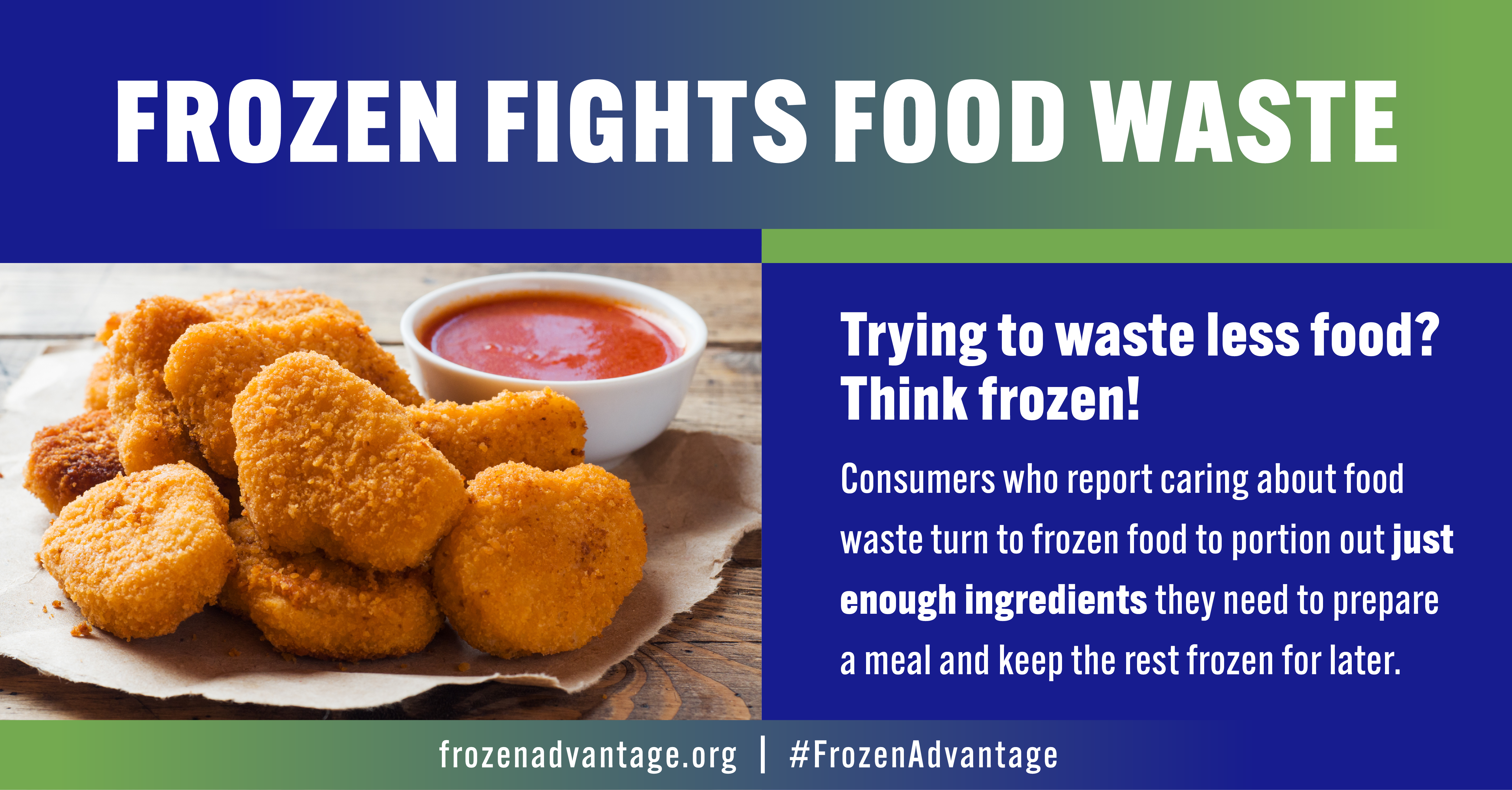
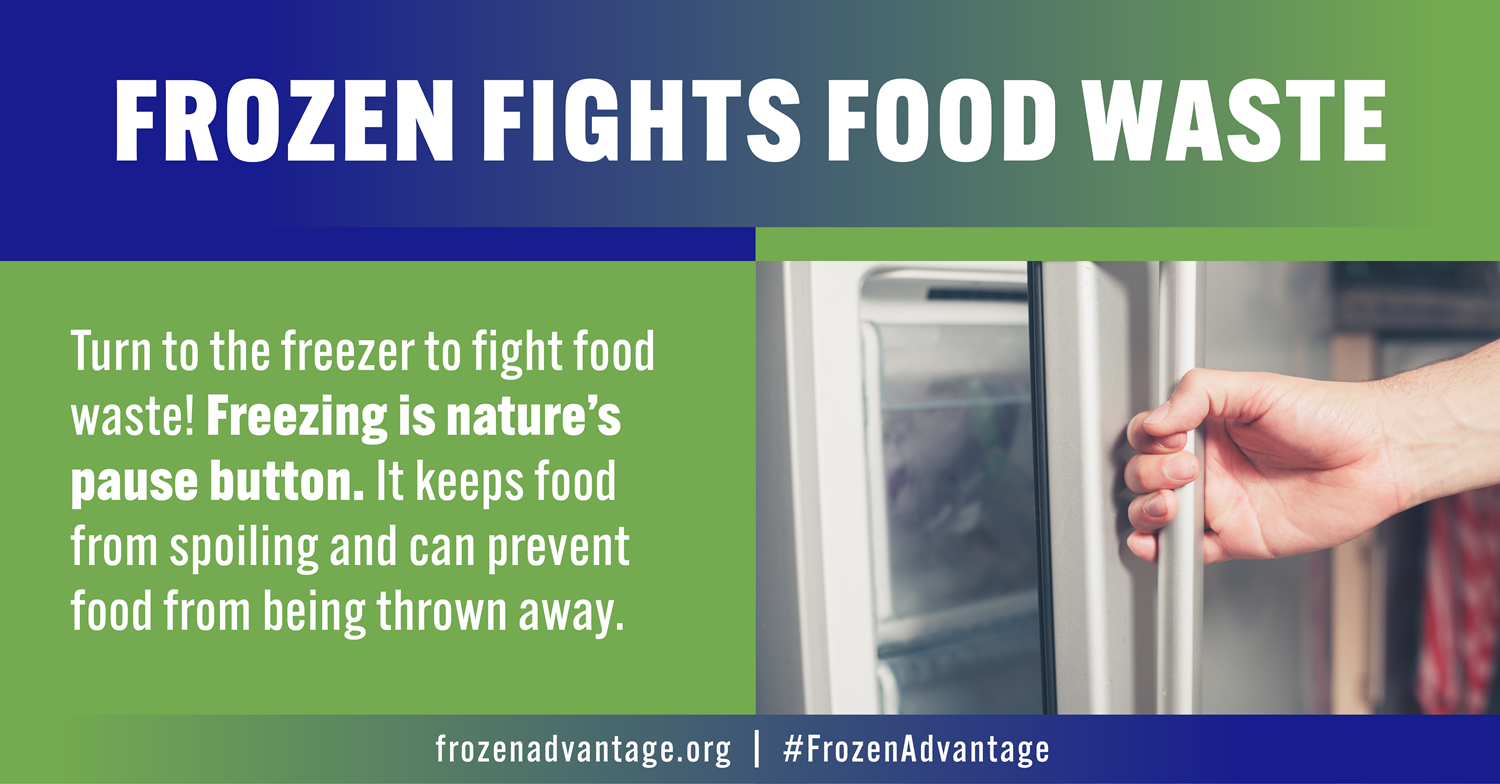
Freezing is a food waste solution. It allows for a longer shelf life for produce, and pre-portioned meals help reduce leftovers that go to waste.
Here’s how the data backs that up:
- A 2024 study from the Ohio State University found that frozen food is an excellent way to cut down on food waste. Research showed that frozen food is much less likely to be discarded and the authors urge consumers to stock their freezers to prevent premature disposal of food.
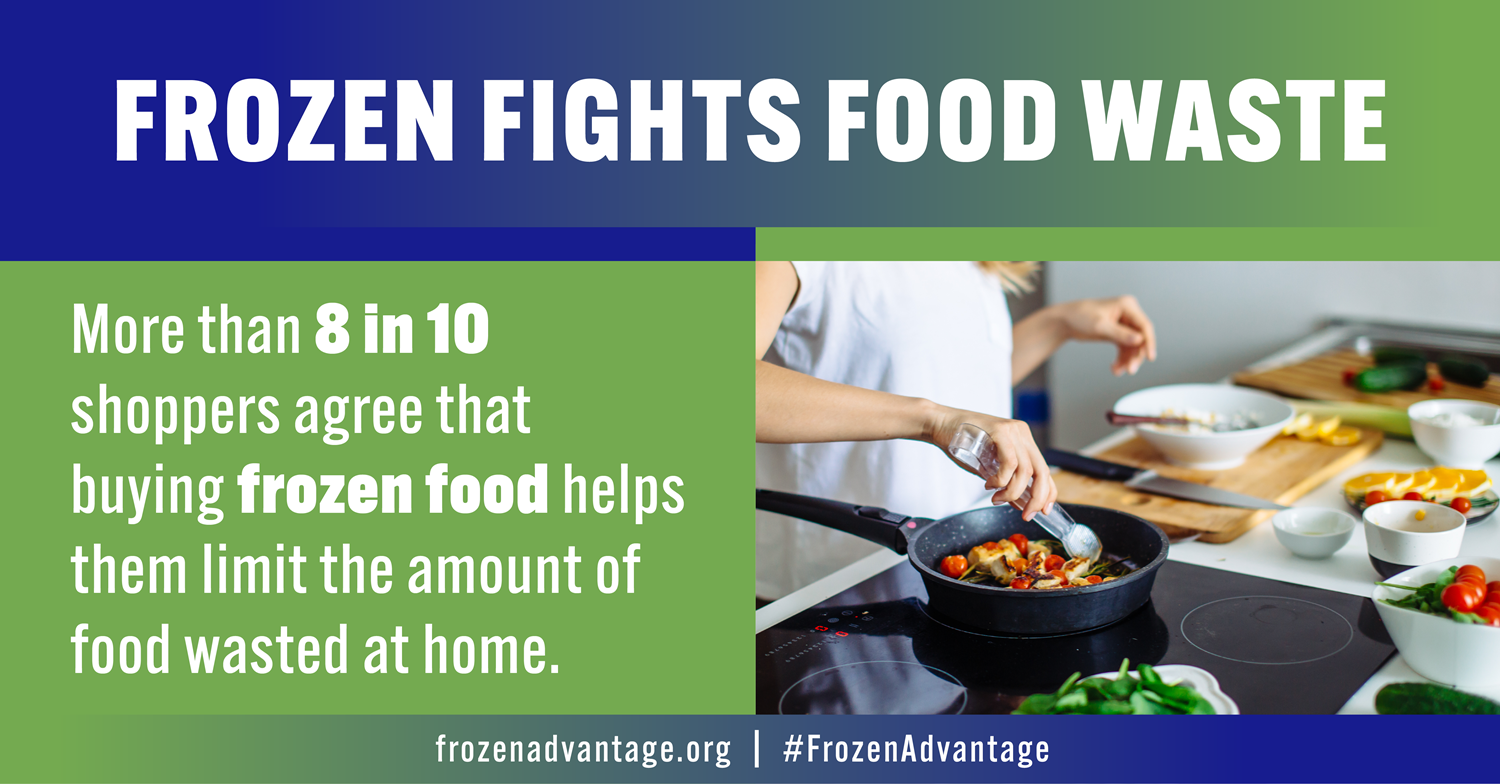
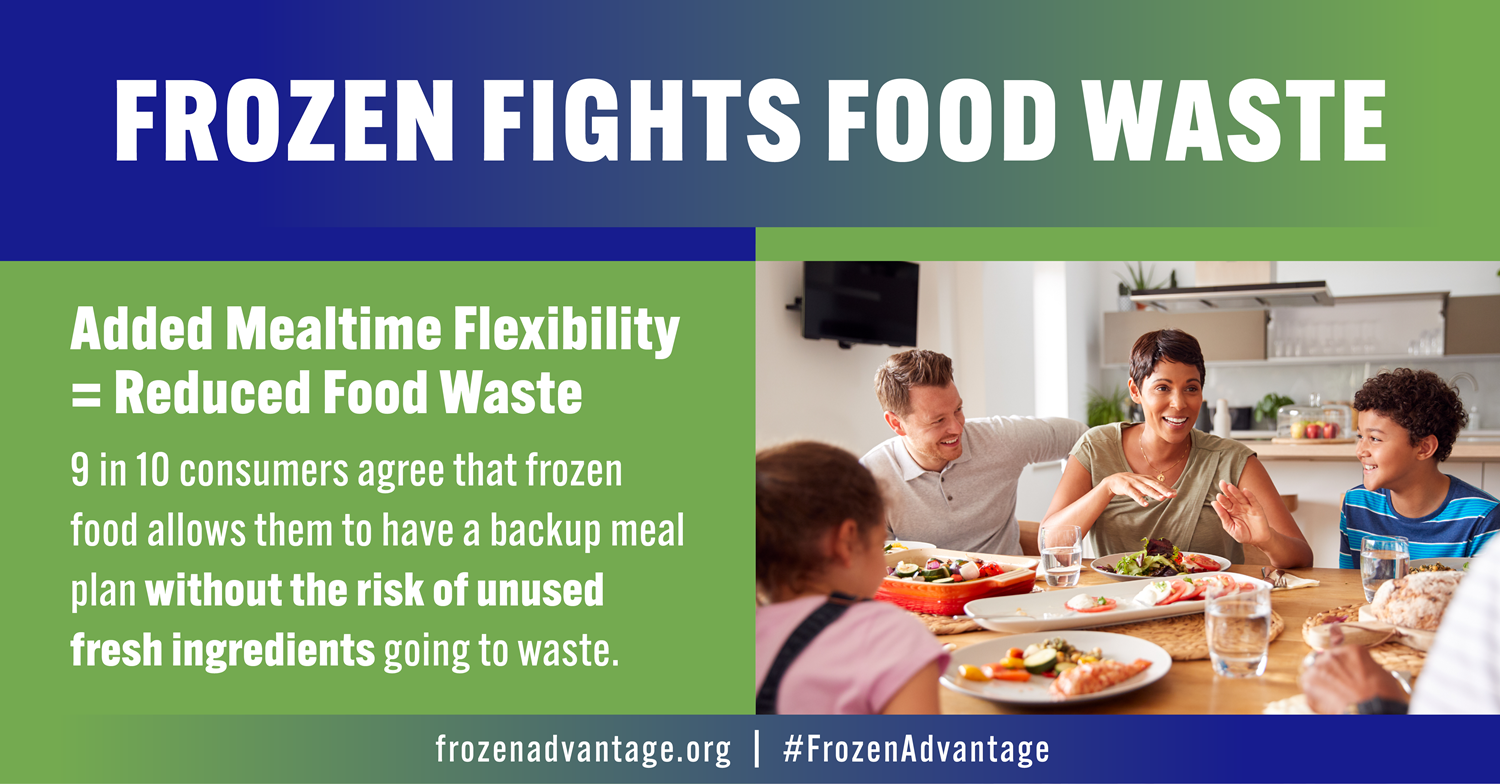
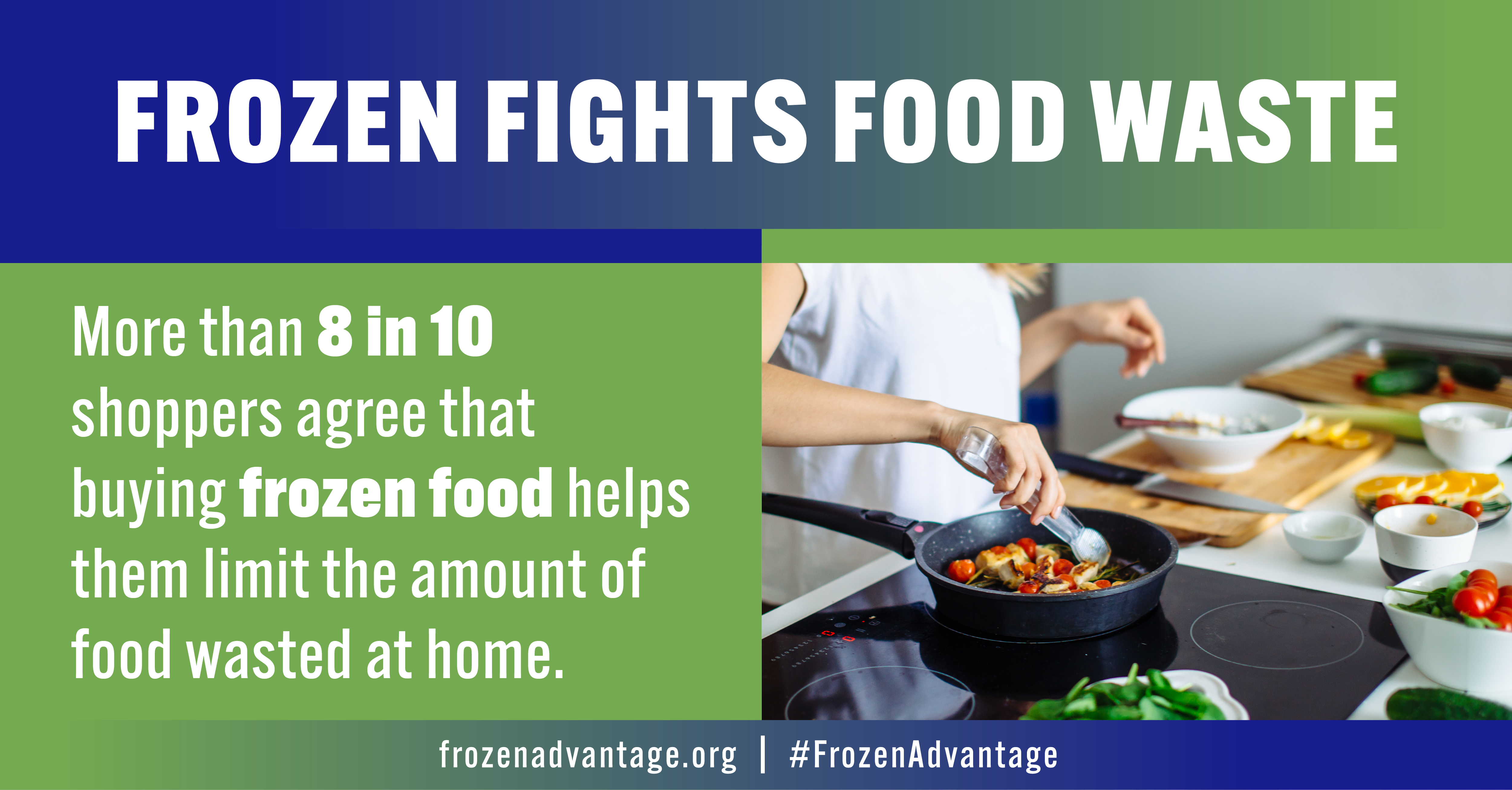
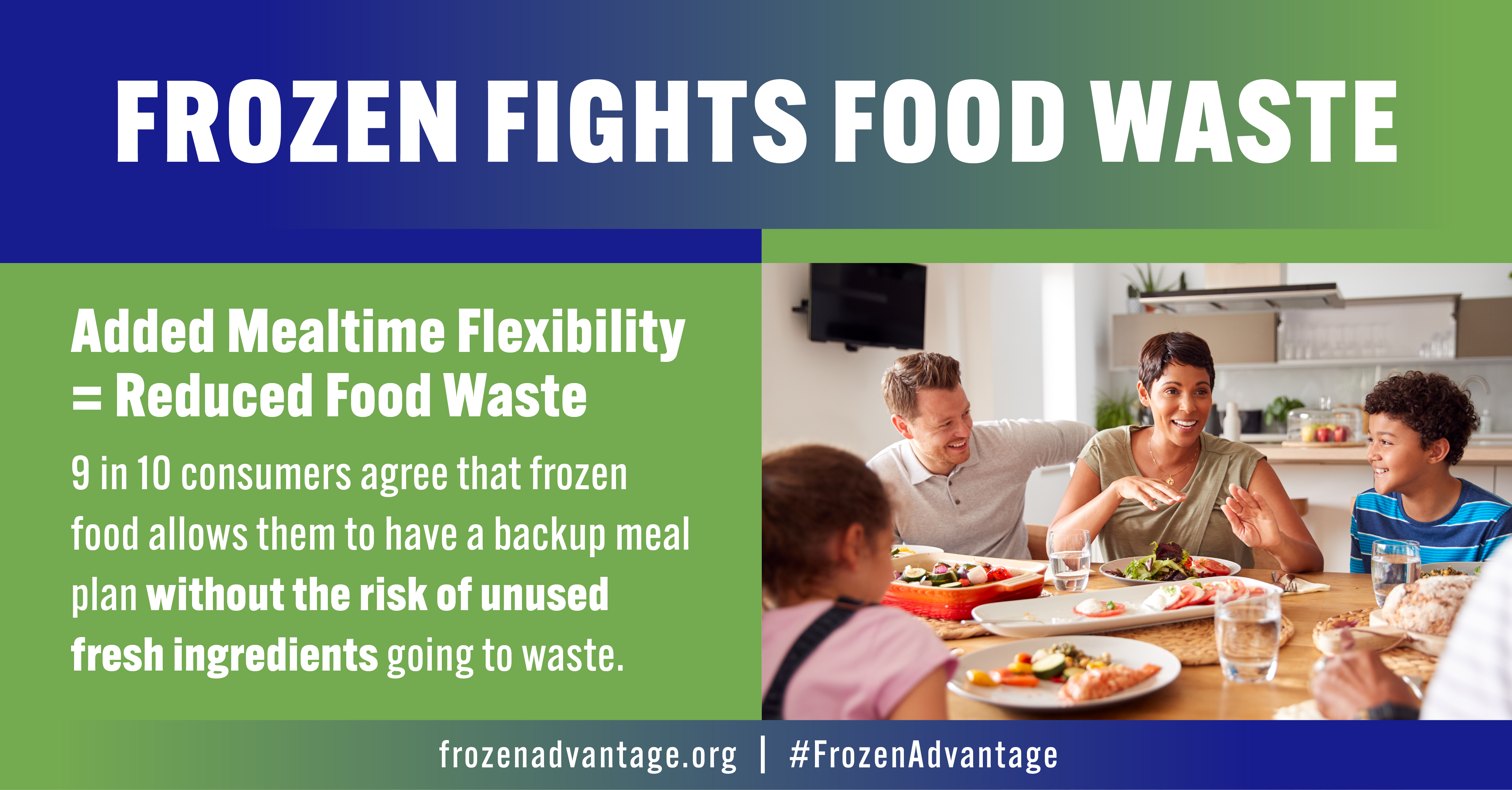
- In a 2022 study conducted by AFFI, consumers reported that frozen food helps them reduce their waste and save money, and that having frozen meal ingredients on hand helps to have more food in the house without risk of spoilage.
- A 2023 critical review conducted by Cornell University found that, in general, frozen food is wasted less frequently than its fresh counterparts at retail stores and in households. Some of the top reasons consumers report throwing out food were spoilage and excess leftovers – both of which frozen food can help address.
See the Benefits:
Frozen Food Tackles a Big Problem
You already know that frozen food makes mealtime convenient and delicious, but there is more to the story than meets the eye.
Learn more about how frozen food helps solve a big problem: food waste.
Infographics

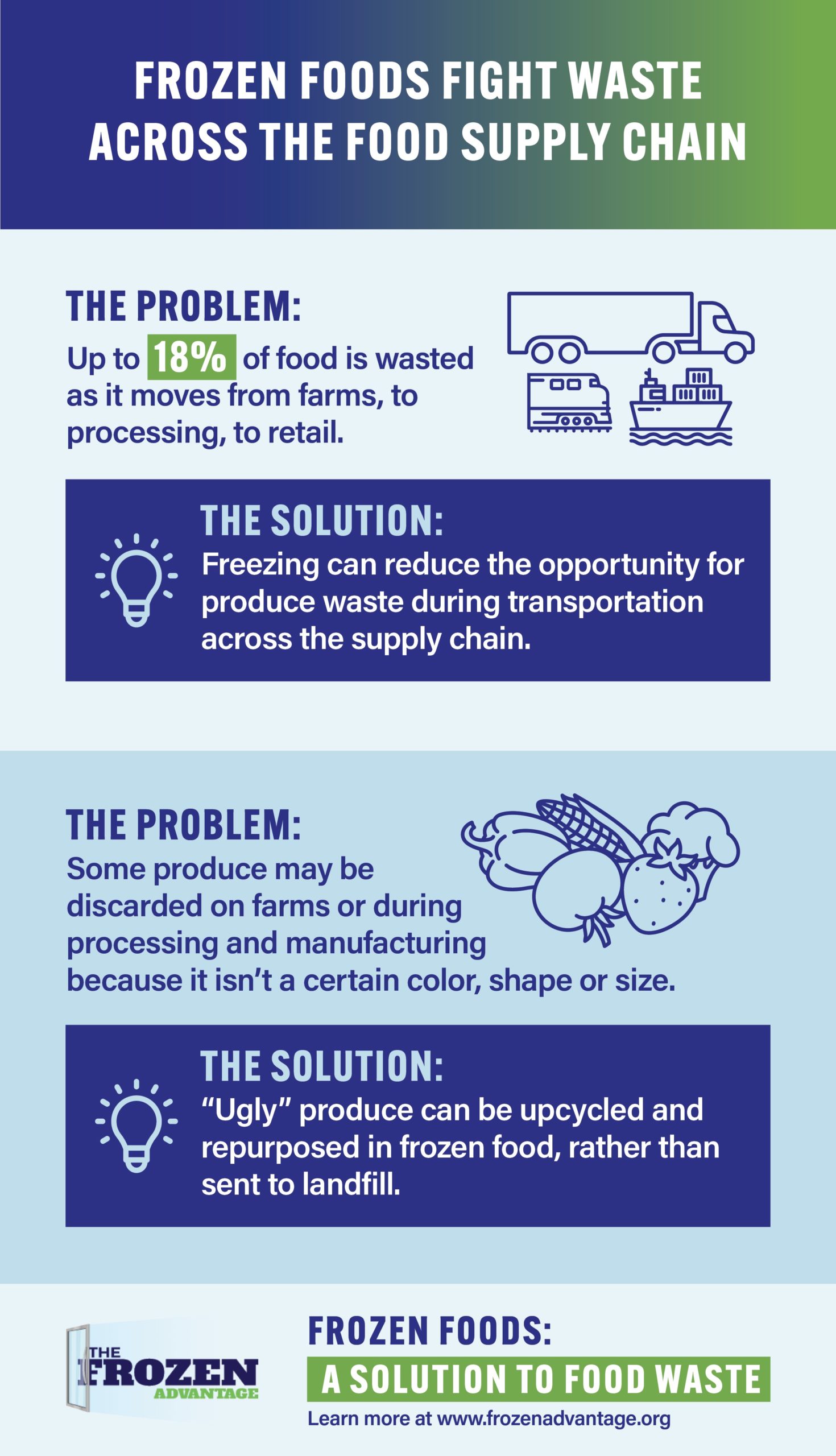
Frozen Food Fights Waste Across the Supply Chain
Up to 18% of food is wasted as it moves from farms, to processing, to retail.
Frozen: A Food Waste Solution
Freezing means less wasted food and more access to nutritious portioned meals in every season and community. Frozen foods are often lower in cost-per-serving and have a great shelf life compared to fresh or refrigerated foods.