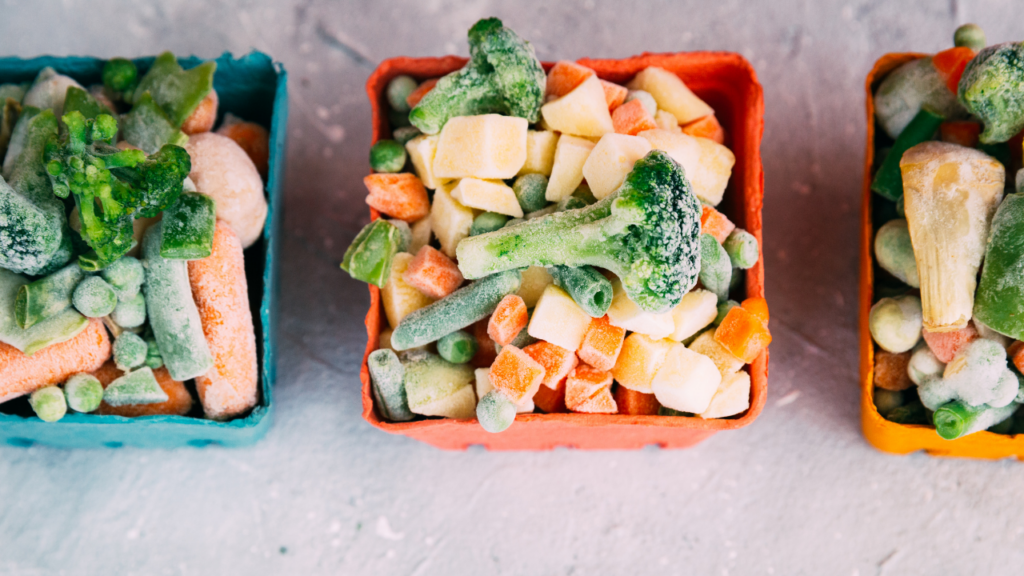

Prepared with Care
Frozen foods are made with real ingredients and prepared using familiar cooking methods at scale then frozen to lock in quality and consistency.
Real Ingredients. Practical Nutrition.
Frozen foods are built from recognizable ingredients including fruits, vegetables, grains, dairy, and proteins. These ingredients are prepared into foods Americans rely on every day, from single-ingredient produce to complete meals and sides.
By combining everyday ingredients with practical preparation, frozen foods can help make balanced meals easier to access, prepare, and serve.
Frozen foods are made with real ingredients using familiar cooking methods from our own kitchens—chopping, mixing, baking, roasting—just at scale. A frozen burrito starts with tortillas made from flour and water. Frozen pizzas begin with dough and sauce. Dumplings are made from scratch before being frozen immediately to lock in nutrition and taste.
Similarly, fruits and vegetables are picked at peak ripeness and frozen within hours, making them nutritionally comparable to, or even better than, fresh produce that often spends days in transit and storage.
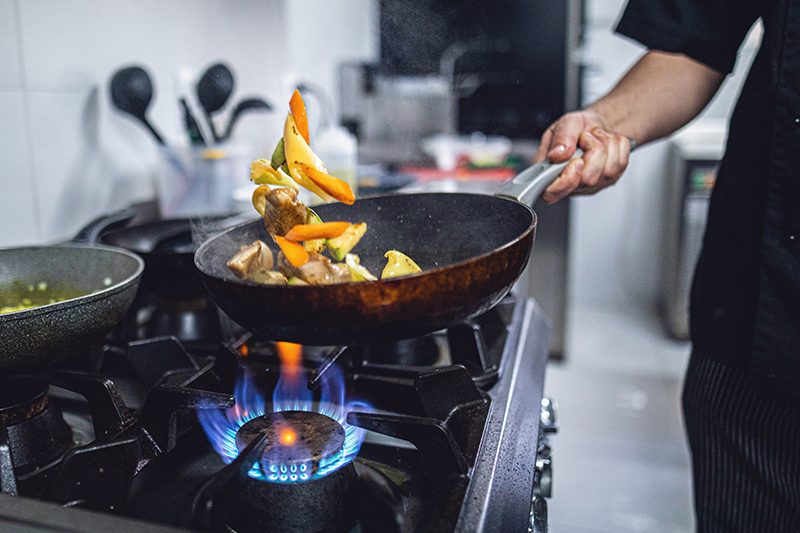
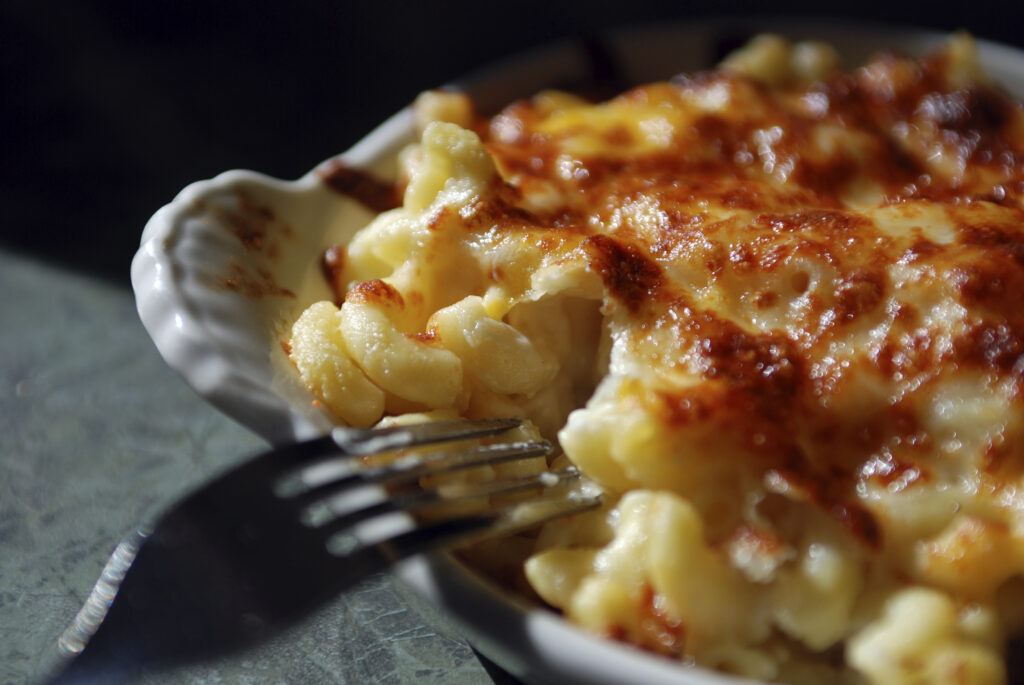
Prepared to Preserve Quality
Freezing helps maintain food quality, texture, and nutrition.
Common cooking steps such as washing, chopping, mixing, baking, roasting, and simmering are used to prepare foods before freezing helps lock in freshness and reduce spoilage.
This makes frozen foods a dependable option for households, schools, healthcare settings, and other institutions that need consistent, nutritious foods at scale.
Supporting Health Goals at Scale
Frozen foods are an important part of the broader food system because they make healthful options more available in everyday life. They can help families prepare meals at home, support portion management, reduce food waste, and keep fruits, vegetables, proteins, and balanced meals within reach.