

The Frozen Food Advantage
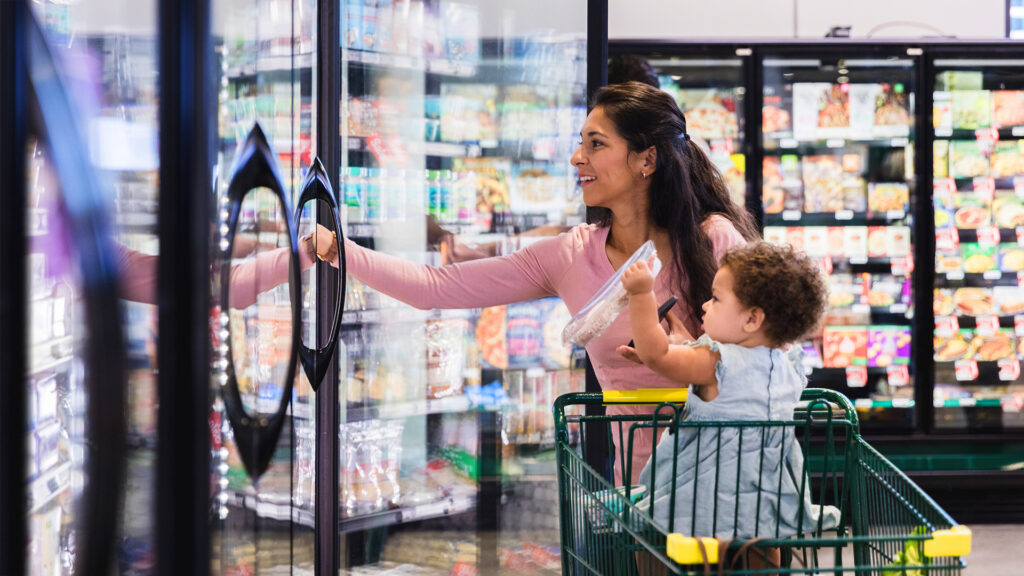
Helping American Families Make Their Money, Time and Groceries Go Further
Frozen foods give families affordable, dependable choices with the quality they expect. Freezing helps lock in taste and nutrition while giving households convenient, longer-lasting options that make mealtime easier and help reduce waste.
From fruits and vegetables to appetizers and meal solutions, frozen foods help families keep quality foods on hand and get more value from every grocery trip.
Advantages of Frozen Foods
Prepared with Care
Frozen foods begin with high-quality real ingredients, including fruits, vegetables, grains, dairy and proteins.
Frozen foods are made using familiar cooking methods like chopping, mixing, simmering, baking and roasting. Then, they are frozen to lock in quality and convenience.
Frozen for Quality
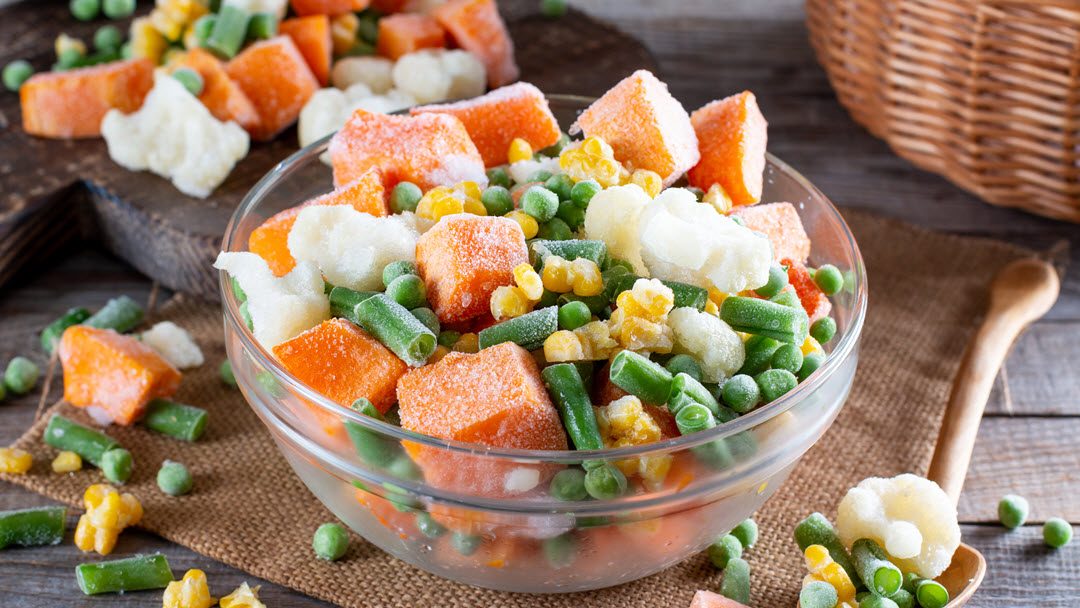
Freezing is nature’s pause button. It helps maintain food’s taste, quality and nutrition until families are ready to use it.
Fruits and vegetables are frozen after harvest at peak ripeness, while meals and other frozen foods are frozen after ingredients are prepared and cooked.

Affordable for Families
Frozen foods help families stretch grocery budgets, reduce food waste and keep affordable meals and top-quality ingredients on hand.
Recent research found significant savings on familiar grocery staples, while the longer shelf life of frozen foods helps families use more of what they buy.
Served Everywhere
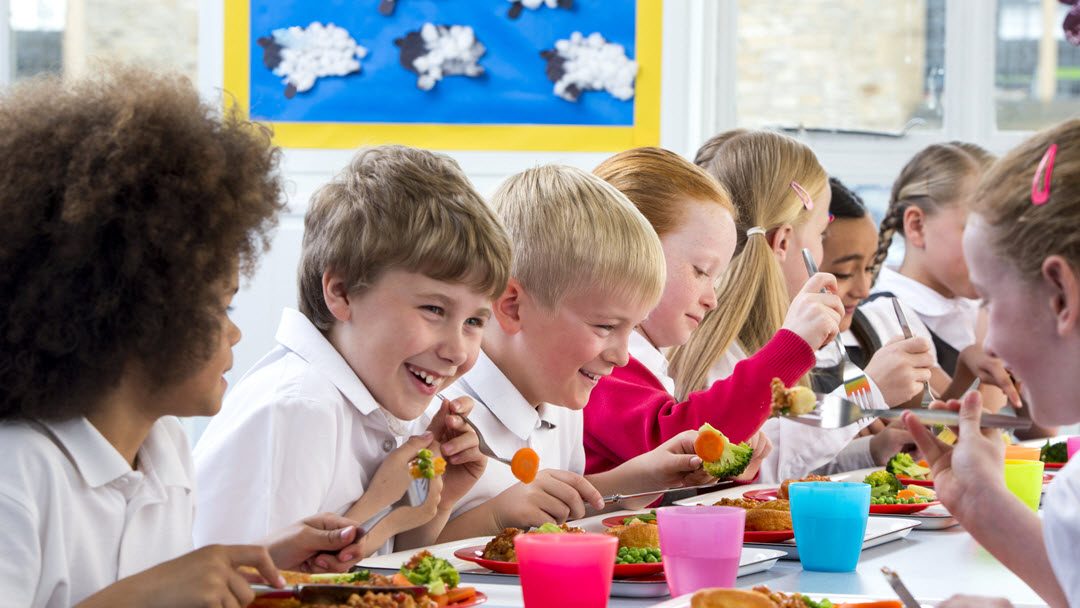
Frozen foods are relied on every day in homes, schools, hospitals, military installations, restaurants, workplaces and federal nutrition programs.
Year-round availability, longer shelf life and ease of preparation make frozen foods a dependable option for families and foodservice operators alike.

Affordable for Families
Frozen foods help families stretch grocery budgets, reduce food waste and keep affordable meals and top-quality ingredients on hand.
Recent research found significant savings on familiar grocery staples, while the longer shelf life of frozen foods helps families use more of what they buy.
Prepared with Care
Frozen foods begin with high-quality real ingredients, including fruits, vegetables, grains, dairy and proteins.
Frozen foods are made using familiar cooking methods like chopping, mixing, simmering, baking and roasting. Then, they are frozen to lock in quality and convenience.
Frozen for Quality
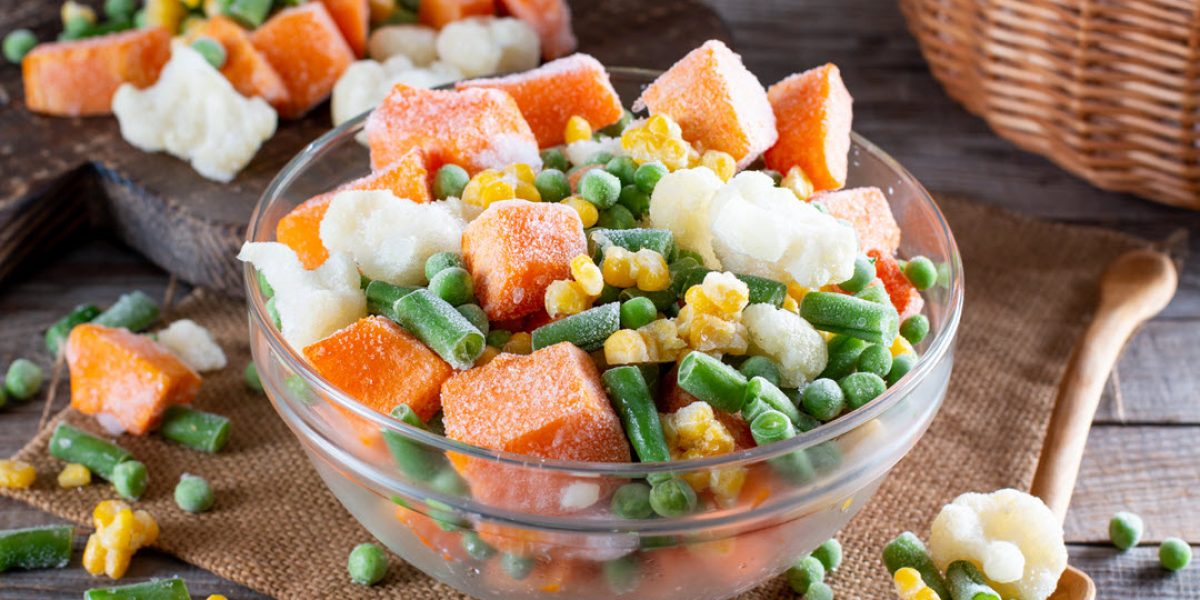
Freezing is nature’s pause button. It helps maintain food’s taste, quality and nutrition until families are ready to use it.
Fruits and vegetables are frozen after harvest at peak ripeness, while meals and other frozen foods are frozen after ingredients are prepared and cooked.
Served Everywhere
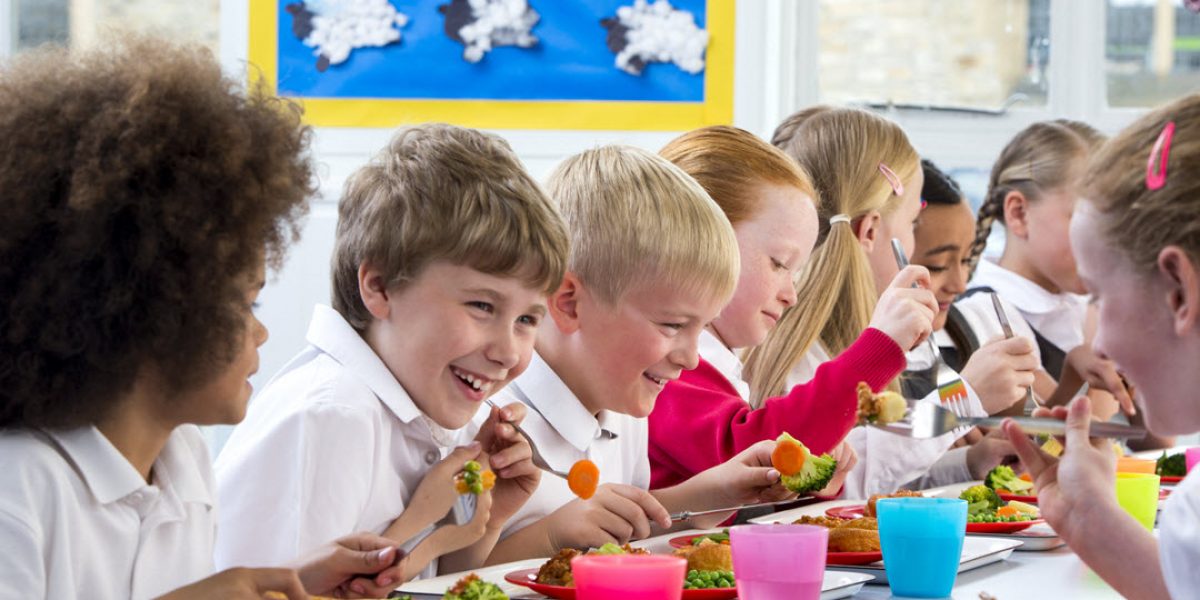
Frozen foods are relied on every day in homes, schools, hospitals, military installations, restaurants, workplaces and federal nutrition programs.
Year-round availability, longer shelf life and ease of preparation make frozen foods a dependable option for families and foodservice operators alike.
Quality. Affordability. Served Everywhere.
Frozen foods help families stretch their grocery budgets while providing dependable options wherever people eat.
From home freezers and school cafeterias to restaurants, hospitals, and military installations, frozen foods help make quality food available year-round while reducing waste and simplifying meal preparation.
Frozen Foods Help Families Save
Real Food at Affordable Prices
Frozen foods deliver meaningful savings on familiar grocery staples. Recent research found:
Frozen peas
Frozen stir-fry vegetables:
Frozen blueberries:
Frozen green beans
An average basket of frozen foods and meals saves a family approximately $21 per grocery trip, or about $506 per year when purchased twice a month.
Frozen foods also help families keep more of what they buy. Longer shelf life means less risk of food spoiling before it is eaten.
Waste Less. Keep More.
The average American household loses nearly $3,000 each year to wasted food.
Frozen foods help reduce that waste by giving families more flexibility. They can use only what they need, save the rest for later and keep food available for longer.
With shelf lives that can range from 6 to 24 months, frozen foods help families stretch both their groceries and their budgets.
Quality and Convenience That Fit Real Life
Frozen foods make mealtime easier while helping families keep nutritious options on hand.
Pre-washed vegetables, prepared ingredients, portioned meals and freezer-to-table options reduce washing, chopping and preparation time.
Frozen foods also complement fresh, refrigerated and shelf-stable foods by giving families dependable choices across seasons and schedules.
It helps households:
- Stretch grocery budgets
- Reduce food waste
- Save preparation time
- Keep quality foods available year-round
Made Across America
Frozen foods connect American farmers, processors, manufacturers, retailers and families.
The frozen foods industry supports hundreds of thousands of jobs across the United States, strengthening local economies and helping keep America’s food system moving.
From field to freezer to fork, frozen foods are part of the everyday infrastructure that feeds American families and communities.
Discover the Frozen Food Advantage
Frozen foods help families get more from every grocery dollar while delivering quality, convenience and dependable nutrition.
Prepared with Care.
Frozen for Quality.
Affordable for Families.
Served Everywhere.
Frequently Asked Questions
Are frozen foods nutritious?
Yes. Freezing maintains food quality and nutrition by slowing the processes that cause food to deteriorate. Frozen fruits and vegetables are often frozen after being harvested at peak ripeness.
Are frozen foods more affordable?
Frozen foods offer significant savings on many common grocery items. They also help households save money by reducing spoilage and allowing families to use only what they need.
Do frozen foods help reduce food waste?
Yes. Longer shelf life and flexible portions help families reduce the amount of food that spoils before it is eaten.